All American Window Tinting Logo

Best Window Tint for Texas Heat - Fort Worth, TX

October 24, 2026

Best Window Tint for Texas Heat: A Fort Worth Driver’s Guide

If you live in Fort Worth or anywhere in North Texas, you know how brutal the Texas sun can be. From scorching summer afternoons to long commutes on I-35, 820, and Highway 287, getting into a vehicle that has been sitting in the sun can feel like stepping into an oven.


Professional window tinting is one of the best ways to improve your driving comfort, reduce solar heat entering your vehicle, and protect your interior from harmful ultraviolet (UV) rays. But with so many types of window film available, how do you know which is best for Texas heat?


At All American Window Tinting in Fort Worth, TX, we help drivers find the right window tint for their vehicles, driving habits, and comfort goals. In this guide, we’ll explain what makes a window tint effective at rejecting heat, compare popular film types, and explore why premium ceramic window tint is an excellent choice for Texas drivers.


What Makes a Window Tint Effective at Blocking Heat?

Not all window tint is created equal. While darker windows may look great and provide additional privacy, darkness alone does not determine how much heat a film can reject. When choosing window tint for Texas weather, there are three important factors to consider.


1. Infrared Heat Rejection

  • Infrared radiation is a significant contributor to the heat you feel from sunlight entering your vehicle. High-performance window films are engineered to reject portions of the solar energy that would otherwise pass through the glass.
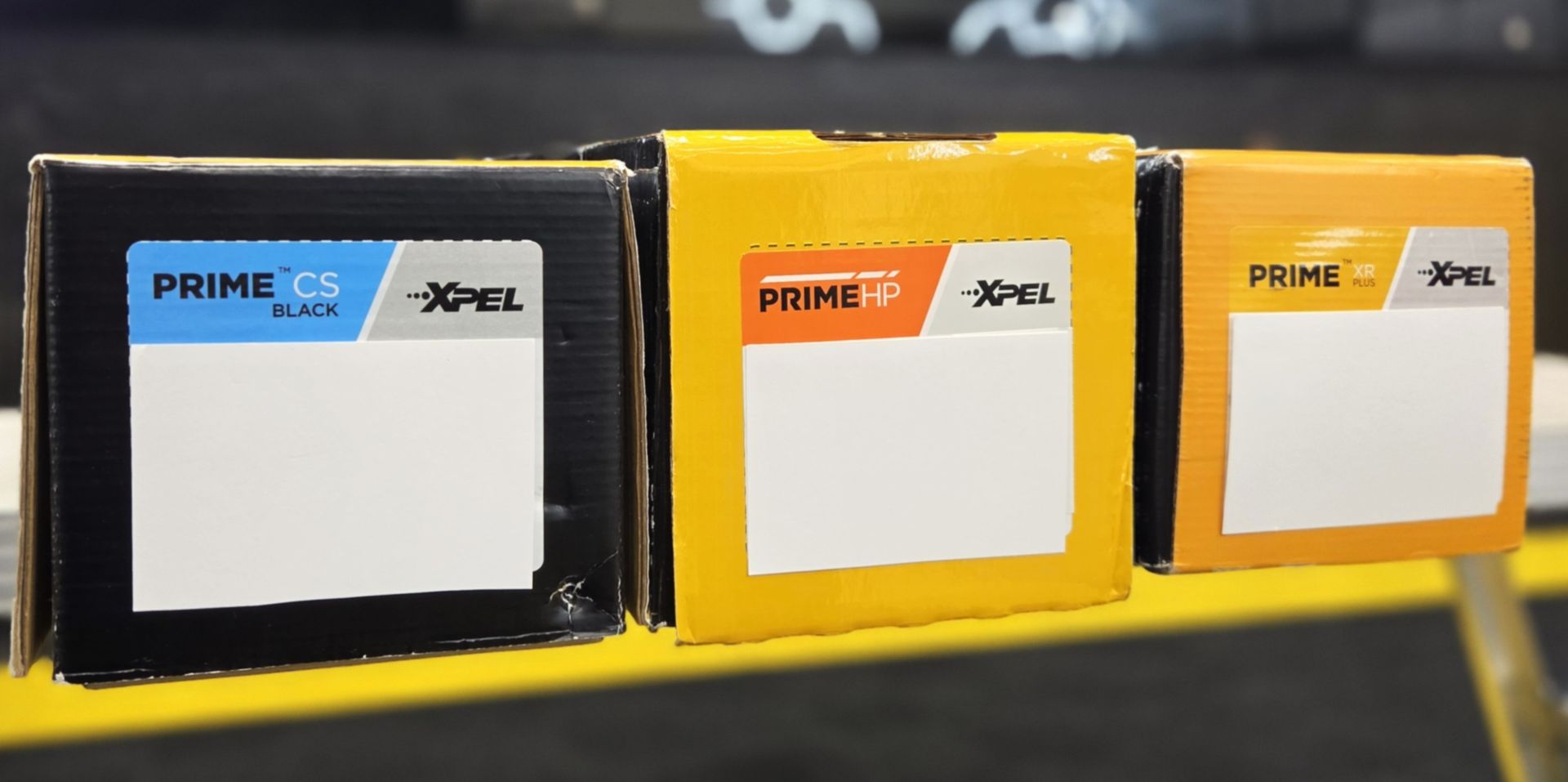
  • Premium ceramic films, such as XPEL PRIME XR Plus, are designed to provide strong solar heat rejection without requiring extremely dark windows.
  • This means you can choose a lighter appearance while still benefiting from advanced heat-rejection technology.


2. Total Solar Energy Rejected

  • Total solar energy rejected (TSER) measures the percentage of total solar energy that a window film and glass combination rejects. It considers more than infrared radiation alone, making it a useful specification when comparing window films.
  • When evaluating tint options, look at the manufacturer's published performance data rather than relying solely on a salesperson's description of how much heat a film blocks.
  • Keep in mind that results vary depending on the vehicle's original glass, the film selected, and the testing method used.


3. Ultraviolet (UV) Protection

  • UV radiation can contribute to fading and deterioration of your vehicle's interior materials over time. It can also expose occupants to UV radiation while driving.
  • Quality automotive window films can block up to 99% or more of UV radiation, depending on the specific product and tested configuration.
  • For Texas drivers who spend a lot of time commuting, traveling, or driving during peak sunlight hours, UV protection is an important benefit to consider alongside heat rejection.


Ceramic vs Carbon vs Dyed Window Tint: Which Is Best for Texas?


Dyed Window Tint

  • Dyed window tint is generally a budget-friendly option that provides a darker appearance and some glare reduction.
  • However, dyed films typically offer less heat-rejection performance than premium ceramic options. Their performance and long-term appearance also depend on the product's construction and quality.
  • Dyed tint may work for drivers primarily interested in appearance, but it may not be the best choice for those who prioritize comfort during intense Texas summers.


Carbon Window Tint

  • Carbon window tint typically offers a non-reflective appearance and can provide good UV protection and solar performance, depending on the product.
  • It is often considered an upgrade from basic dyed film. However, carbon films vary considerably, and their performance should be evaluated using actual manufacturer specifications.
  • If your main priority is minimizing heat entering your vehicle, compare the published TSER and infrared performance of the specific films you're considering rather than assuming all carbon films perform alike.


Ceramic Window Tint

  • Ceramic window tint uses advanced ceramic materials engineered to selectively manage portions of the solar energy entering your vehicle.
  • Premium ceramic films can offer excellent heat rejection, strong UV protection, and optical clarity without requiring a very dark tint shade.
  • For drivers dealing with Fort Worth's summer heat, ceramic window tint is an excellent option to consider because it combines comfort, protection, and appearance.


Our recommendation: If heat rejection is your top priority, start by comparing high-performance ceramic window films and their published specifications.


Why We Recommend XPEL PRIME XR Plus for Texas Drivers

At All American Window Tinting, we offer XPEL PRIME XR Plus, a premium ceramic window film designed for drivers who want advanced solar performance without compromising the appearance of their vehicle. Here are a few reasons it deserves consideration.


Advanced Heat Rejection

  • XR Plus is engineered to reject solar heat, helping reduce the amount of heat entering your vehicle through its windows. This can make driving more comfortable in direct sunlight and help reduce the intense radiant heat you may feel through the glass.


Excellent UV Protection

  • XPEL PRIME XR Plus is designed to block up to 99% of harmful UV radiation. This helps protect occupants from UV exposure through treated windows and helps preserve interior materials from sun-related deterioration.


Multiple Tint Shades

  • You don't have to choose extremely dark windows to benefit from premium ceramic film technology. XR Plus is available in multiple shade options, allowing you to balance appearance, visibility, privacy, and performance. The best shade depends on your vehicle, your preferences, and applicable Texas tint requirements.


A Refined Appearance

  • Whether you drive a daily commuter, a family SUV, a pickup truck, or a luxury vehicle, ceramic window tint can provide a clean, cohesive appearance. When professionally installed, the film can complement your vehicle's styling while adding functional benefits beyond appearance alone.


Performance Without Relying on Darkness

  • One of the biggest misconceptions about window tint is that darker automatically means cooler. With high-performance ceramic film, you can choose a lighter shade and still achieve meaningful solar heat rejection. That can be particularly useful for drivers who want comfort without sacrificing as much visibility.


Ready to Beat the Texas Heat?

If you're tired of climbing into a scorching vehicle, professional ceramic window tint may be the upgrade you've been looking for. The right film can help reduce solar heat, provide UV protection, and make your daily drive more comfortable without sacrificing the look of your vehicle.


Contact All American Window Tinting in Fort Worth, TX, to explore XPEL PRIME XR Plus and find the right window tint for your vehicle. Our team can help you compare film options, discuss tint shades, and choose a solution tailored to your driving needs.


Your vehicle deserves more than just darker windows. Give it the comfort and protection that make sense for Texas driving.


All American Window Tinting - Professional Window Tinting and Automotive Protection in Fort Worth, Texas.
I'm tired of the heat!
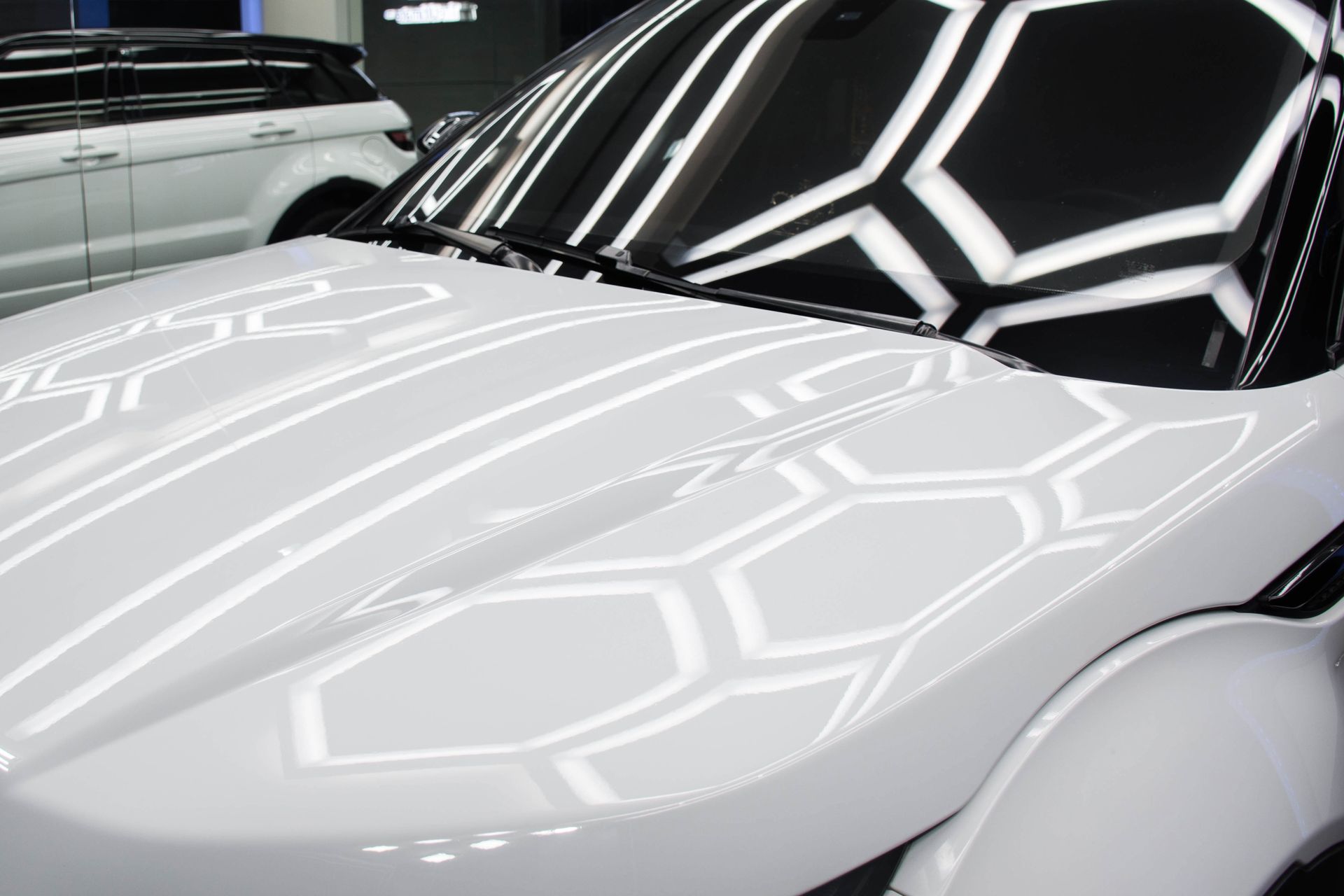
White car hood with reflective geometric light patterns, parked indoors
August 7, 2026
All American Window Tinting shares why our team trusts our ceramic coating process for Fort Worth, TX drivers. Get a free quote.
Dark gray SUV parked on grass under trees beside another vehicle at dusk
August 7, 2026
All American Window Tinting explains factory privacy glass on trucks and SUVs and why ceramic tint adds real benefits. Get a quote.
Hand shatters a car window with a punch, glass cracking outward in a dark garage
August 7, 2026
All American Window Tinting explains how window tint helps EV owners in Fort Worth, TX get more comfort and range. Get a free quote.